

By J. H. Irwin
Author | Content Creator | Technology Strategist
If you blinked this past month, you probably missed the moment humanoid robots stopped being a spectacle and started being an industry.
There was no single viral video, no robot doing a backflip on your feed. What happened instead was quieter and, I would argue, far more important. The paperwork got filed. The safety standards got written. The production lines got scheduled. That is what maturity looks like, and it rarely trends.
Let me walk you through what actually happened, in plain English, because the details tell a story the headlines keep missing.
The money stopped pretending
Agility Robotics, the Oregon company behind the warehouse robot Digit, announced plans to go public. The deal values the company at roughly $2.5 billion and is expected to raise more than $620 million, the largest capital raise in the history of humanoid robotics. If it closes, Agility becomes the first pure-play humanoid company traded on public markets, which means ordinary investors will finally get a look at the actual finances of this business rather than the carefully curated demo reels.
That transparency matters more than the dollar figure. For years, this industry has run on promises and private money. A Shenzhen startup raised over $700 million just last week. Figure AI was valued at $39 billion last fall. Those numbers are dizzying, but they tell us what investors hope. A public company has to tell us what is true.
One detail from Agility charmed me. Their CEO described a test where engineers scattered trash across a floor and told Digit, simply, to clean up the mess. The robot sorted everything correctly, right down to recognizing that bubble wrap does not belong in the recycling bin. My neighbors have not mastered that one yet.
The factories are real now
Tesla is converting part of its Fremont plant to build the third generation of its Optimus robot, with production targeted for late this summer. Elon Musk has admitted, to his credit, that the Optimus units working inside Tesla facilities have been more research project than workforce. The honest version of this story is that Tesla is still catching up to its own announcements. But a production line is a production line, and this one is designed to eventually build a million robots a year.
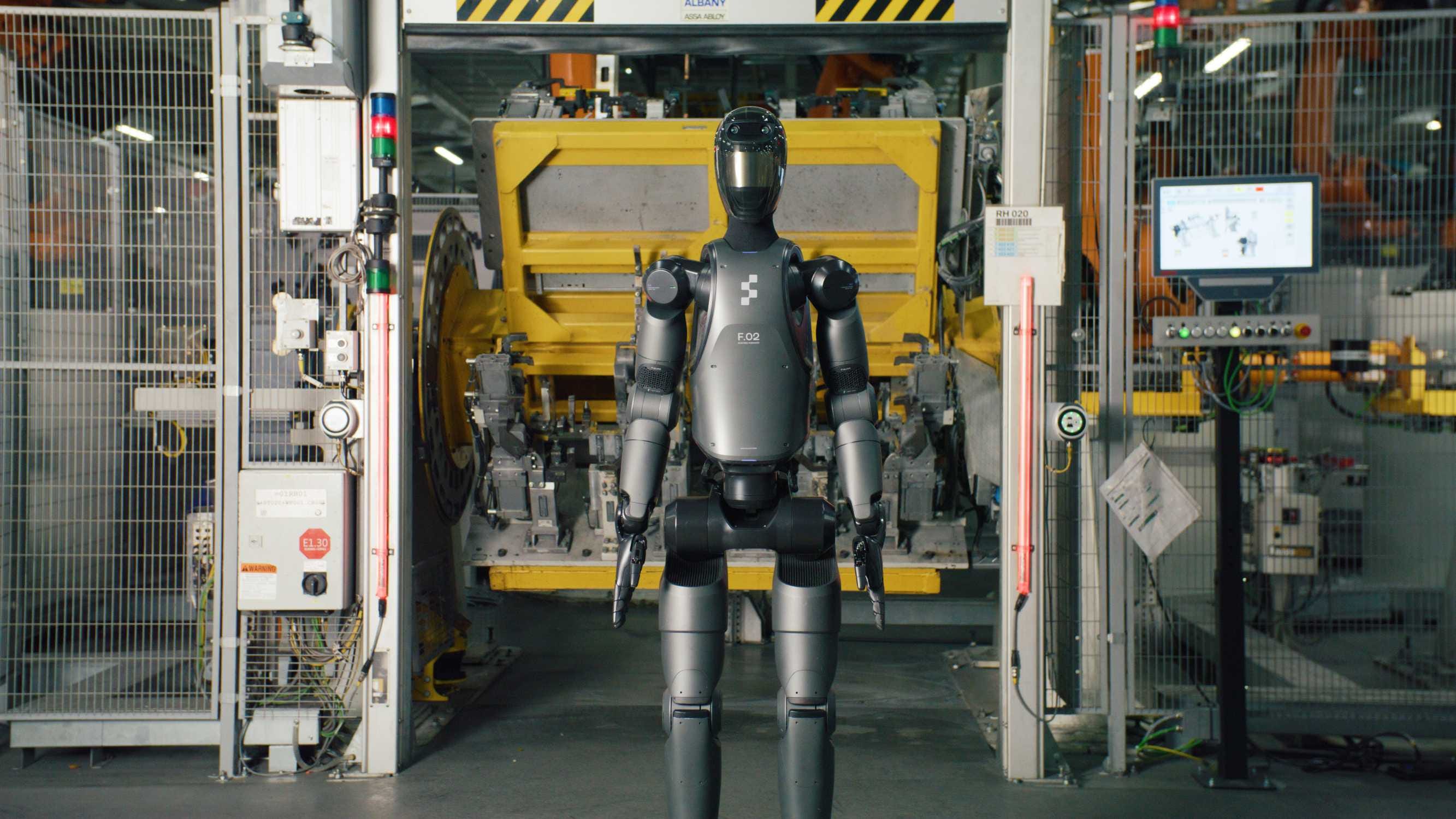
Meanwhile, Figure AI is quietly doing what Tesla keeps promising. Its factory is turning out more than 55 robots a week, with over 350 delivered, and its machines are doing paid work sequencing parts at BMW’s plant in South Carolina. Boston Dynamics is shipping its first electric Atlas units to Hyundai and to Google DeepMind. These are not pilots dressed up for the cameras. These are invoices.
A robot for your living room, sort of
The strangest story of the month came from China, where UBTech launched a full-size humanoid called the U1, marketed not for factories but for companionship. It has a biomimetic spine, remarkably lifelike movement, and an AI the company claims can recognize more than twenty distinct emotional states. The price is about $17,600, roughly what you would pay for a decent used car. More than 13,000 people have already ordered one.
I will admit this one sits differently with me. I am genuinely optimistic about machines that carry boxes and load sheet metal, because that work wears human bodies down. A machine built to keep you company raises questions that have nothing to do with engineering. Whether a robot can ease loneliness, and whether it should, is a conversation we are going to need to have as neighbors and families, not just as consumers. Thirteen thousand orders suggest we should have it soon.
The most important story is the most boring one
NVIDIA announced something called Halos for Robotics, a safety architecture for humanoid and industrial robots, built on nearly two decades of work certifying self-driving cars. Agility’s Digit is the first commercial humanoid to adopt it.
I know. Your eyes glazed over. Stay with me, because this is the one that determines everything else. Robots do not get to work alongside people because a demo looked impressive. They get to work alongside people when insurers, regulators, and factory managers can point to a certification and say this machine meets a standard. Every technology you trust today, from your car to your toaster, went through this unglamorous phase. Humanoid robots just entered theirs.
What it all adds up to
Add one more scene to the picture. At RoboCup, the international robot soccer competition, humanoid teams played full matches this year with an agility that would have seemed impossible five years ago. A middle school team from Macau competed by training their algorithms in simulation before loading them onto real robots. Children are now programming humanoids as a school project.
Here is the realization I keep arriving at. The era of asking whether humanoid robots will work is ending. The era of deciding how we want to live with them is beginning, and that second question belongs to all of us, not just the engineers. The companies made real progress this month. The rest of us should start doing the same.
Technology is changing the world. Read about it → The Augmented Life